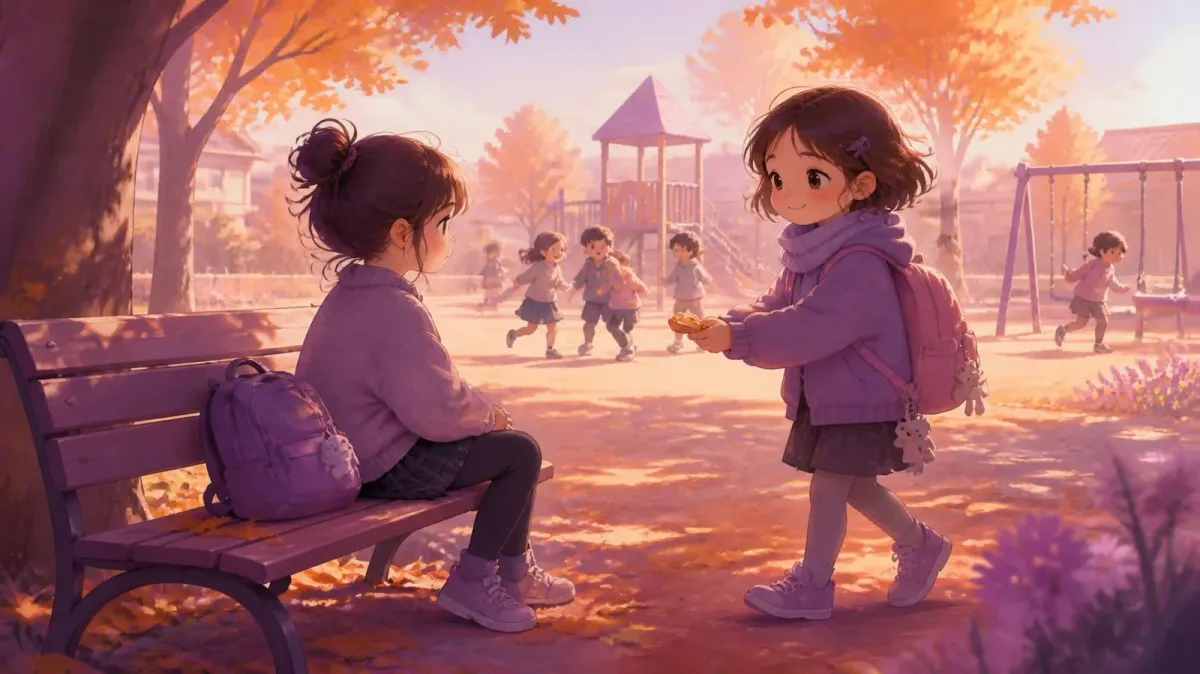
Child Struggling to Make Friends in the New School Year? A UK Parent Guide to Friendships After Summer
A child struggling to make friends in the new school year is very often dealing with friendships that shifted over the summer, not a child who has done anything wrong. After around six weeks apart, children grow, interests change and groups reshuffle, so a best friend from July can feel like a stranger in September. What helps most is listening, keeping your own worry low, helping your child make one small connection and sharing what you notice with the teacher. This guide covers why friendships change after the summer break, what to say when your child feels left out, how to help them make and keep friends, and when it is worth getting more support.
Why Does Your Child's Friendship Group Feel Different After the Summer Break?
You collect them from school and ask who they played with. "Nobody, really." Or the name that used to come up every day has quietly disappeared, and a new one has taken its place.
If this is happening in your house, you are not alone. A summer apart gives children time to grow, try new things and spend time with different people. When they walk back into the playground, the old friendship may not fit quite the same way. That can feel like a small earthquake for your child, and an anxious one for you.
The good news is that this is common, it is usually temporary, and there is a lot you can do to help.
Is It Normal for a Child to Lose Friends After Summer?

Yes, it is very common. A child who has lost friends after summer is usually caught in the ordinary shifting of friendship groups, not a sign that something is wrong. The children's health service Just One Norfolk, run by an NHS trust, explains that friendship groups often change as children's interests and views change while they grow, and that children commonly fall out and then reconnect.
A children's page from an NHS CAMHS service in Herefordshire and Worcestershire puts it simply: friendships change, and that is okay. Reasons it lists include moving away, arguments, growing up and a new person joining the group.
Why Do Friendships Change Between School Years?
Several things can happen at once in September:
New classes. Friends may be split into different classes, or sit in different groups for the first time.
Growing interests. One child discovers football, another loves drawing, and they no longer share the same games.
A new person joining the group. Groups of three or four can wobble when someone new arrives.
Time apart. A summer without daily contact can loosen the habit of playing together.
Stepping up a year. New expectations and a new pecking order can change how children relate.
The table below can help you tell the difference between an ordinary shift and something that needs more attention.
What Should I Say When My Child Feels Left Out in the New Term?
Your first reaction matters more than your advice. When a child feels left out in the new term, the kindest thing is often to stay calm and listen. Just One Norfolk puts it well: you do not have to fix the problem, because letting them talk is helpful in itself.
Try:
"That sounds really lonely. Thank you for telling me."
"What was the hardest part of today?"
"Is there anyone you would like to spend more time with?"
Try to avoid:
"Just find someone else to play with." It can feel dismissive.
"I never liked her anyway." Just One Norfolk advises against criticising the other child, because young friendships are often up and down and may settle.
"What did you do?" It can sound like blame.
Setting aside a little time each day to talk about what happened helps too. Side-by-side chats on a walk, in the car or while drawing often work better than "tell me about your day" across the table.
How Can I Help My Child Make Friends at School Again?
The aim is to make friendship easier, not to force it. Pushing a child to perform socially often makes them retreat further. These small steps, drawn from guidance by NHS children's services, tend to work best.
Widen the Circle
Just One Norfolk encourages children to mix with different classmates so they do not rely on one friendship group. If your child's main friend has moved on, a wider circle gives them more places to land.
Plan One Small Get-Together to Help Your Child Make Friends at School
A short meet-up with one child, such as a visit to the park or a snack at your house, takes the pressure off. Just One Norfolk suggests planning an activity to give children something to do together, and talking through what went well afterwards. Keep it short so it ends on a good note.
Find a Club With a Shared Interest
Clubs and groups based on something your child already enjoys give them a natural way to meet people. The CAMHS page for children also suggests after-school activities, where it is usually easier to meet people with similar interests.
Practise Tricky Moments
Just One Norfolk suggests role-playing how to respond when a friend makes them feel bad. You could also act out joining a game: "Can I play too?" Keep it playful, and take turns being the child who asks and the child who answers.
Build Confidence at Home
The same guidance notes that self-esteem, confidence and resilience help children cope with friendship ups and downs. Small daily wins, steady routines and a calm home all help. If tiredness is part of the picture, our guide to resetting routine after the holidays may help.
How Can I Help My Child Keep the Friends They Have?
Making friends is one half of the story. Keeping them is the other, and it is a skill children learn with practice.
Encourage Kindness and Curiosity
Just One Norfolk suggests encouraging children to be kind and to take an interest in what others say and do. Simple habits help, such as asking a friend a question, noticing something they like or saying "that sounds fun."
Help Them Put Things Right After a Fall-Out
Children fall out, and that is part of learning. The same guidance suggests asking what your child could have done differently, and if they made a mistake, helping them put it right. Do this gently and after the feelings have settled, so it does not sound like blame.
Remember That It Is Okay for Friendships to Change
The CAMHS children's page says that friendships change and that is okay. It also notes that if a friendship leaves a child sad, angry, worried or lonely, it is okay not to be friends with that person. You can say this to your child in your own words: friendships should mostly feel good, and it is fine to spend more time with people who bring out the best in you.
Should I Contact the School if My Child Has No Friends?
Often, yes, but timing matters. Just One Norfolk suggests speaking to the school if your child is often struggling or fall-outs are frequent. For ordinary ups and downs it may not be the first step, and it suggests acting sooner if you suspect bullying.
If you do get in touch, Young Minds suggests asking for a meeting with the class teacher or a pastoral lead, preparing notes on what your child finds hard, and asking what staff have noticed. You could ask:
Who does my child seem to play with, and who do they sit with at lunch?
Is there a buddy system or a lunchtime club they could join?
Could they be grouped near a kind, steady classmate?
Think of it as teaming up, not complaining. If your child is new to the school this term, our guide on what to do when your child is struggling to make friends at a new school goes deeper into that situation. If you worry your child is being treated unkindly, our guide on how to check if your child is being bullied can help you spot the signs and decide what to do.
When Is It More Than a Wobble After Summer?

Most friendship shifts settle as the term finds its rhythm. Just One Norfolk lists signs that a child may be struggling with friendships, including:
Often being unhappy, down or upset about friends
Feeling left out or lonely
Frequent fall-outs
Finding it hard to make any friends
Possible bullying, either being targeted or being involved
If these continue for several weeks, speak to the school first, and your GP if you are worried about your child's wellbeing. If friendship has been hard for a long time, not just since September, our article on what to do when your child has no friends looks at the longer-term picture.
You are never on your own. The Young Minds Parents Helpline is free on 0808 802 5544, and Childline is there for under-19s on 0800 1111. Trust your instincts. You know your child best.
Conclusion: Friendships Shift, and You Can Help Your Child Find Their Feet
A child struggling to make friends in the new school year is, far more often than not, a child caught in the ordinary shifting of friendships after summer. Listen without rushing to fix it. Widen their circle gently. Plan one small get-together and let the teacher in. And keep home a safe place where your child can be exactly as they are.
Friendship is a skill that grows with time and practice, and your steady presence is the best foundation your child can have while they build it.
Related Posts You Might Find Helpful
Child Struggling to Make Friends at New School? What Parents Can Do in the First Weeks
New Term Routine Reset: Settling Back Into Structure After the Holidays


